



Why Do I Keep Biting My Cheek?
Posted on April 8, 2026
TLDR
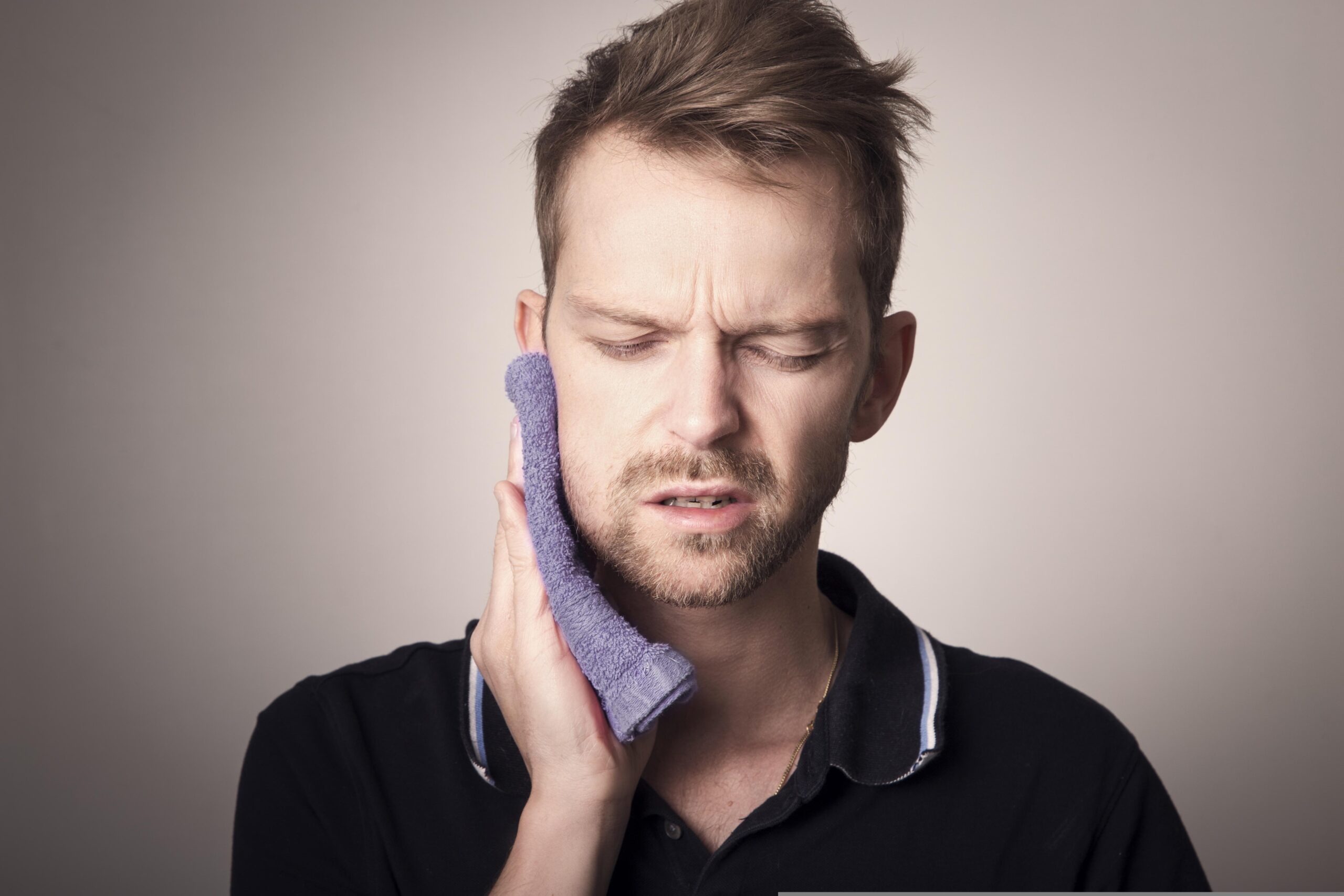
Cheek biting can be accidental or caused by misaligned teeth, TMJ disorders, stress, or body-focused repetitive behaviors. Our family orthodontists in Clover, SC, can identify the root cause and recommend the right treatment to help stop the habit.
Do you find yourself biting the inside of your cheek often? It can be uncomfortable and frustrating, especially when it happens repeatedly.
The good news is that cheek biting usually has an identifiable cause. Understanding the root cause makes it much easier to find the right treatment. Our experienced orthodontists in Clover, near York, Smyrna, Kings Mountain, and Gastonia, NC, Dr. Wenderoth and Dr. Coombs, can help identify the exact cause of your cheek biting and create a personalized treatment plan to stop the habit for good.
Why Am I Biting My Cheek Without Realizing It?
Sometimes, cheek biting happens simply because you’re distracted while eating. When your attention is focused on something else, it’s easier to accidentally bite the inside of your cheek.
This type of accidental cheek biting often happens when:
- Reading, watching TV, or using your phone during meals
- Eating too quickly or talking while chewing
- Experiencing minor facial injuries from contact sports or accidents
After the first bite, the inside of your cheek may swell slightly. The swollen tissue can protrude more than usual, making it easier to bite again and continue the cycle.
What Are The Risks Of Cheek Biting?
Accidental cheek biting usually causes minor problems, but it can still lead to irritation inside the mouth. The most common issue is injury to the inner cheek, which may cause canker sores or mouth ulcers that make eating and speaking uncomfortable.
Cheek biting can also make it difficult to eat hot, spicy, or crunchy foods because they irritate the affected area. While these injuries typically heal on their own, the process can take time.
The tissue inside the cheek may thicken if cheek biting occurs frequently. This condition, known as Frictional keratosis, creates rough or white patches that can increase the risk of biting the cheek again.
What Causes People To Bite Their Cheeks?
Cheek biting usually happens for two main reasons: dental issues or habitual behaviors.
Dental causes include:
- Misaligned teeth, which can trap the inner cheek between the teeth during chewing, talking, or swallowing.
- TMJ disorder, which affects the jaw joint and can cause irregular jaw movement that increases accidental cheek biting.
Psychological causes include:
- Habitual cheek biting, a body-focused repetitive behavior, similar to nail biting, that often happens without awareness.
- Stress and anxiety, which can trigger cheek biting as a subconscious coping habit
Can Cheek Biting Cause Serious Problems?
Chronic cheek biting can sometimes lead to complications.
Open sores from cheek biting may allow bacteria to enter the tissue, leading to infection and inflammation that can require treatment.
When cheek biting is linked to TMJ disorder, it may create a cycle in which jaw inflammation leads to more biting, which then worsens the inflammation. Over time, this can contribute to jaw pain, headaches, limited jaw movement, and long-term joint problems.
If cheek biting is related to body-focused repetitive behaviors (BFRBs), it may also cause emotional distress, such as anxiety or feelings of shame.
How Can I Stop Cheek Biting and Protect My Smile?
After identifying the cause, the next step is to discover how to stop cheek biting.
Mouth Guard
If you frequently bite your cheek, our orthodontists in Clover may recommend a mouth guard to protect it, regardless of the underlying cause. For issues like TMJ disorder or habitual cheek biting, wearing a mouth guard prevents further injury while the tissue heals.
Orthodontic Treatment
Our braces or Invisalign treatments in Clover can straighten misaligned teeth that lead to cheek biting and protect your smile.
Psychological Techniques
Relaxation techniques like deep breathing, meditation, regular exercise, or therapy can help reduce the urge to bite. Chewing sugar-free gum can also keep your mouth occupied during stressful moments.
Treating and Stopping Cheek Biting in Clover, SC
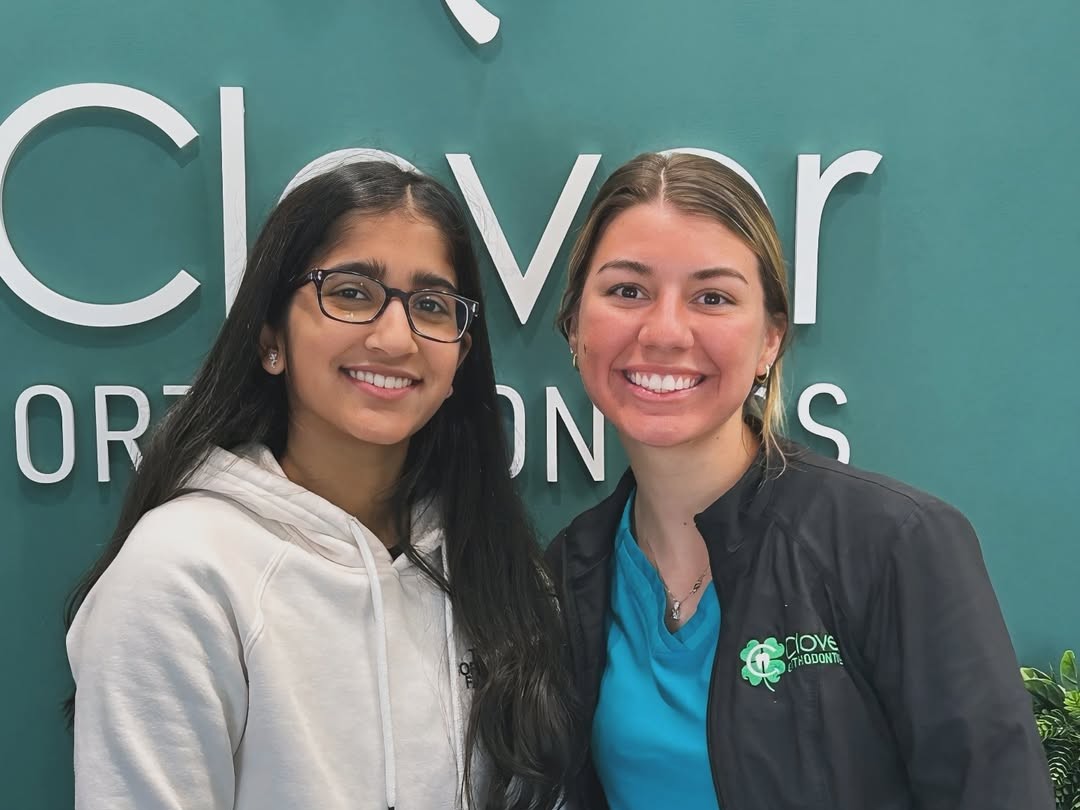
If cheek biting becomes a regular problem, Clover Orthodontics can help. Our orthodontists in Clover will examine your teeth and jaw to find the underlying cause—whether it’s misalignment, TMJ, or a habit.
From there, we’ll suggest the right treatment, such as braces, Invisalign, a custom mouth guard, or stress-management techniques, to stop cheek biting and protect your smile.
Schedule your appointment today and take the first step toward a pain-free, healthy mouth.
Key Takeaways
- Cheek biting may be accidental or related to dental or psychological issues.
- Untreated cheek biting can lead to painful sores, infections, thickened tissue, and serious complications like worsening TMJ symptoms or emotional distress.
- Dr. Wenderoth and Dr. Coombs at Clover Orthodontics in Clover, SC, offer trusted orthodontic treatments to help stop cheek biting.
Sources
- https://cloverortho.com
- https://cloverortho.com/our-office/meet-our-doctors/
- https://www.healthline.com/health/cheek-biting
- https://www.medicalnewstoday.com/articles/morsicatio-buccarum
- https://my.clevelandclinic.org/health/diseases/10945-canker-sores
- https://my.clevelandclinic.org/health/diseases/21766-mouth-ulcer
- https://pmc.ncbi.nlm.nih.gov/articles/PMC10859883/
- https://my.clevelandclinic.org/health/diseases/body-focused-repetitive-behavior-bfrb
- https://cloverortho.com/our-services/invisalign-clover-sc/
- https://www.colgate.com/en-za/oral-health/nutrition-and-oral-health/three-benefits-of-sugar-free-gum

Is It Too Late to Get Braces? What Adults in Clover Should Know
Clover Orthondontics – October 6, 2026
What to Expect When You Start Braces or Invisalign Treatment at Clover Orthodontics
Clover Orthondontics – June 9, 2026

Why The Start Of The Year Is A Smart Time To Begin Your Child's Orthodontic Treatment
Clover Orthondontics – February 12, 2026